
Neuroimaging and advanced diagnostic methods provide valuable information about brain structure, function, metabolism and disease progression. This session covers developments in magnetic resonance imaging, positron emission tomography, computed tomography, functional imaging, electrophysiology and integrated diagnostic approaches. It encourages discussion of how emerging tools can support clinical decision-making, research classification and monitoring of cognitive disorders.
Abstract Scope and Participation
Submissions may address imaging methods, image analysis, radiological findings, artificial intelligence-assisted interpretation, electrophysiology, diagnostic accuracy and combined imaging–biomarker approaches. Radiologists, neurologists, nuclear medicine specialists, neuroscientists, engineers, physicists, clinicians, technologists, data analysts and students may present methodological research, clinical studies, case findings, technical innovations and reviews related to dementia diagnosis.

Nazneen N Dewji
Cenna Biosciences Inc, United States
Jun Hua
Johns Hopkins University , United States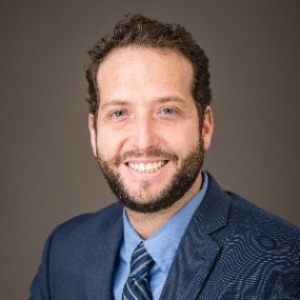
Jonathan Eskenazi
UCLA Professor, United StatesSubmit your abstract Today


Title : Make a difference
Jacqueline Tuppen, Dementia UK, United Kingdom
Title : Imaging brain clearance in Alzheimer’s disease
Jun Hua, Johns Hopkins University , United States
Title : Neuromodulation of scalp electroacupuncture in the treatment of autism spectrum disorder
Zhenhuan Liu, Nanhai Maternity and Children Hospital Affiliated to Guangzhou University of Chinese Medicine, China
Title : Neuroimaging-based evaluation of scalp acupuncture for neural repair and reorganization in children with cerebral palsy
Zhenhuan Liu, Nanhai Maternity and Children Hospital Affiliated to Guangzhou University of Chinese Medicine, China
Title : The Bansal neuron model: A nonlinear framework for exploring neuronal excitability and electrophysiological dysfunction in Alzheimer's disease
Abhishek Bansal, New Era Consultancy Services, India
Title : Neurophysiological change and cognitive response to levetiracetam in Alzheimer disease: Testing the missing mechanistic link
Christopher Hubler, Emergent Neural Systems Institute for Research, United States