
Non-pharmacological approaches can support cognitive function, independence, communication, emotional well-being and quality of life among people experiencing cognitive decline. This session explores cognitive training, rehabilitation, physical activity, music and art-based approaches, occupational interventions, psychosocial support, environmental design and other person-centred strategies. It also examines how interventions can be adapted to different stages, abilities and care settings.
Abstract Scope and Participation
Abstracts may address intervention development, programme evaluation, rehabilitation outcomes, therapeutic activities, assistive approaches, community initiatives and culturally responsive care. Psychologists, occupational therapists, physiotherapists, speech therapists, nurses, social workers, rehabilitation specialists, physicians, researchers, caregivers and students may submit clinical studies, pilot projects, reviews, case reports and practical models of non-drug intervention.
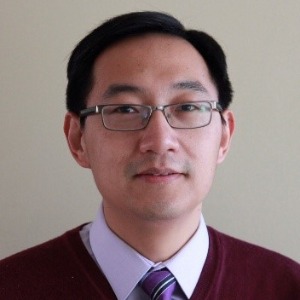
Jun Hua
Johns Hopkins University , United States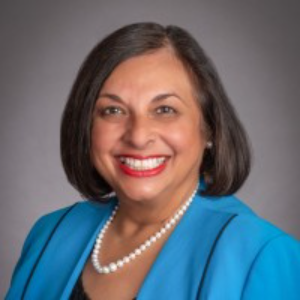
Nazneen N Dewji
Cenna Biosciences Inc, United States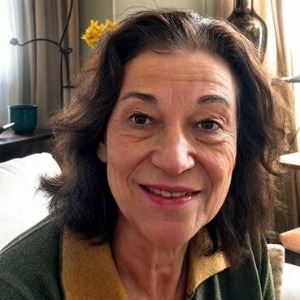
Jacqueline London
Paris Diderot University, FranceSubmit your abstract Today


Title : Neuroimaging-based evaluation of scalp acupuncture for neural repair and reorganization in children with cerebral palsy
Zhenhuan Liu, Guangzhou University of Chinese Medicine, China
Title : Neuromodulation of scalp electroacupuncture in the treatment of autism spectrum disorder
Zhenhuan Liu, Guangzhou University of Chinese Medicine, China
Title : Make a difference
Jacqueline Tuppen, Cogs Club, United Kingdom
Title : Association between depressive symptoms and cognitive impairment severity in a real-world memory clinic cohort
Yun Ju Hsieh, Taipei City Hospital, Taiwan
Title : Health care professionals in Somaliland had low levels of knowledge and attitudes towards dementia care: A pilot survey
Mohamed Abdilahi Duale, Somali Red Crescent Society, Somalia
Title : Imaging brain clearance in Alzheimer’s disease
Jun Hua, Johns Hopkins University , United States