
Alzheimer's precision medicine aims to tailor treatments to the specific genetic, molecular, and clinical characteristics of individuals affected by Alzheimer’s disease and dementia. By leveraging advancements in genetics, biomarkers, and neuroimaging, researchers seek to identify personalized therapies that can effectively slow disease progression or alleviate symptoms based on each patient’s unique profile.
This approach contrasts with traditional one-size-fits-all treatments, recognizing the complex and varied nature of Alzheimer's disease among different individuals. Precision medicine in Alzheimer's holds promise in predicting disease risk, selecting appropriate interventions, and optimizing therapeutic outcomes, ultimately striving towards more targeted and effective care strategies. As research continues to uncover deeper insights into the underlying mechanisms of Alzheimer's, the development and application of precision medicine approaches offer hope for more personalized and impactful treatments in the future.
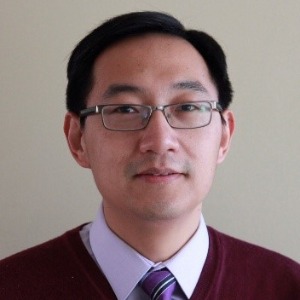
Jun Hua
Johns Hopkins University , United States
Nazneen N Dewji
Cenna Biosciences Inc, United States
Jacqueline London
Paris Diderot University, FranceSubmit your abstract Today


Title : Neuroimaging-based evaluation of scalp acupuncture for neural repair and reorganization in children with cerebral palsy
Zhenhuan Liu, Guangzhou University of Chinese Medicine, China
Title : Neuromodulation of scalp electroacupuncture in the treatment of autism spectrum disorder
Zhenhuan Liu, Guangzhou University of Chinese Medicine, China
Title : Make a difference
Jacqueline Tuppen, Cogs Club, United Kingdom
Title : Association between depressive symptoms and cognitive impairment severity in a real-world memory clinic cohort
Yun Ju Hsieh, Taipei City Hospital, Taiwan
Title : Health care professionals in Somaliland had low levels of knowledge and attitudes towards dementia care: A pilot survey
Mohamed Abdilahi Duale, Somali Red Crescent Society, Somalia
Title : Imaging brain clearance in Alzheimer’s disease
Jun Hua, Johns Hopkins University , United States