
Early identification of Alzheimer’s disease and dementia may support timely intervention, appropriate care planning and improved research participation. This session examines biological, cognitive, behavioural and digital indicators that may help identify disease risk or progression. It includes established and emerging biomarkers derived from blood, cerebrospinal fluid, imaging, genetics, physiology, speech, movement and other measurable characteristics.
Abstract Scope and Participation
Abstracts may focus on biomarker discovery, validation, accessibility, accuracy, clinical implementation, screening strategies, multimodal assessment and prediction of disease progression. Contributions from neurologists, laboratory scientists, imaging specialists, psychologists, bioengineers, data scientists, clinicians, primary-care professionals, diagnostic companies and students are welcome. Studies addressing ethical, economic and practical considerations of early detection may also be presented.

Nazneen N Dewji
Cenna Biosciences Inc, United States
Jun Hua
Johns Hopkins University , United States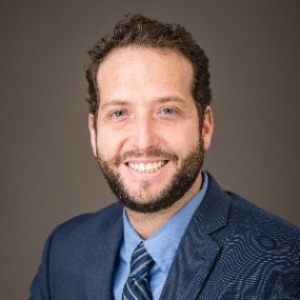
Jonathan Eskenazi
UCLA Professor, United StatesSubmit your abstract Today


Title : Make a difference
Jacqueline Tuppen, Dementia UK, United Kingdom
Title : Imaging brain clearance in Alzheimer’s disease
Jun Hua, Johns Hopkins University , United States
Title : Neuromodulation of scalp electroacupuncture in the treatment of autism spectrum disorder
Zhenhuan Liu, Nanhai Maternity and Children Hospital Affiliated to Guangzhou University of Chinese Medicine, China
Title : Neuroimaging-based evaluation of scalp acupuncture for neural repair and reorganization in children with cerebral palsy
Zhenhuan Liu, Nanhai Maternity and Children Hospital Affiliated to Guangzhou University of Chinese Medicine, China
Title : The Bansal neuron model: A nonlinear framework for exploring neuronal excitability and electrophysiological dysfunction in Alzheimer's disease
Abhishek Bansal, New Era Consultancy Services, India
Title : Neurophysiological change and cognitive response to levetiracetam in Alzheimer disease: Testing the missing mechanistic link
Christopher Hubler, Emergent Neural Systems Institute for Research, United States